Key Takeaways
When you watch a global music video with flawless choreography and perfect production, you are seeing the direct footprint of the South Korean trainee system. This structural method of building stars from the ground up has shifted how the world creates, markets, and consumes popular music.
- The Blueprint of Perfection: The intense preparation period turns raw talent into multi-skilled performers who can sing, dance, and host television shows simultaneously.
- A Shift in Western Media: Major Western record labels are moving away from traditional talent scouting. Instead, they are actively building their own structural development camps based on the South Korean model.
- The Ultimate Fan Connection: The focus on sharing the early struggles of young talent builds a deep emotional bond with audiences. This bond transforms casual listeners into highly organized, lifelong supporters who handle global marketing campaigns.
Introduction to a Global Phenomenon
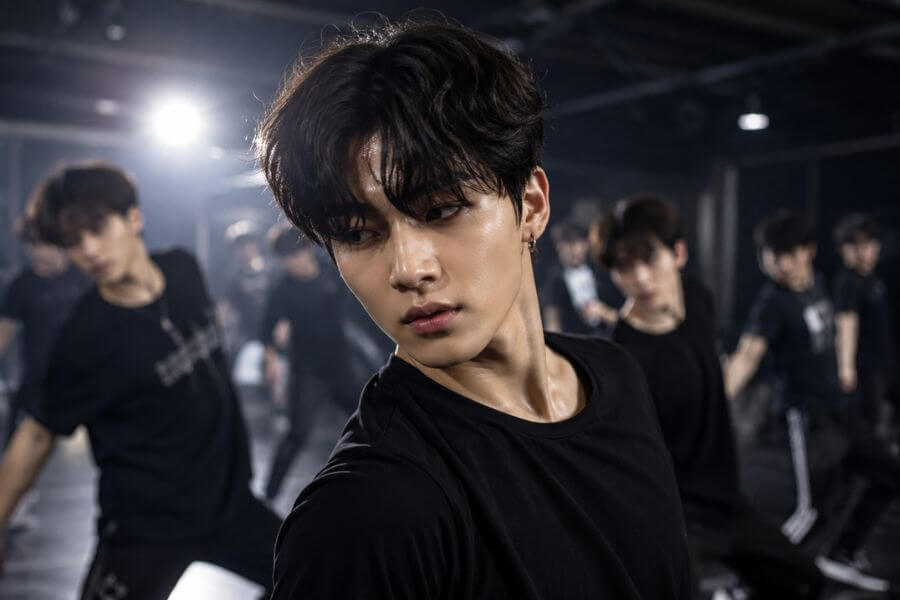
Imagine walking into a quiet dance studio at midnight. The mirrors are fogged up from heat. A teenager stands in the center, repeating a single arm movement for the hundredth time. This is not a hobby. This is a highly calculated, deeply intense journey toward global fame. For decades, the South Korean music scene has relied on a unique system of star production. Young individuals sign contracts with entertainment agencies to become trainees. They spend years hidden away from the world, practicing for twelve to fourteen hours a day. They study vocal control, intricate dance styles, media communication, and foreign languages.
You might wonder why a system based in Seoul matters to someone living in New York, London, or Sydney. The answer is visible every time you log onto social media, turn on the radio, or watch an international awards show. The meticulous design of the South Korean trainee system has broken through geographic borders. It has rewritten the rulebook for the global entertainment landscape.
The old Western method of finding a raw singer in a local coffee shop and putting them straight on a stage is fading. Today, global labels want performers who can deliver flawless live vocals while executing high-energy choreography. They want stars who can speak three languages and maintain a spotless public image. By looking closely at this structured upbringing, you can see how a local training method became the new golden standard for entertainment worldwide.
The Birth and Anatomy of the Trainee System
To understand how this system shook the world, you have to look at its roots. In the late 1990s, South Korean music executives looked at the global success of Western boy bands and Japanese pop idols. They realized that talent alone was unpredictable. To build a sustainable industry, they needed to turn star creation into a reliable science. They built a system that treated human talent the way a high-tech company treats a new product line. It requires careful scouting, deep investment, and constant refinement.
The Multi-Stage Development Pipeline
The journey of a modern performer follows a strict path that lasts anywhere from two to ten years. It begins with global auditions where tens of thousands of hopefuls try out for a handful of spots. Once an agency selects a young person, they enter a structured world that controls every aspect of their daily life.
- The Scouting Phase: Agencies travel across Asia, the Americas, and Europe to find young people with the right look, attitude, and foundational skills.
- The Foundational Phase: New arrivals focus heavily on basic techniques. They learn how to breathe correctly while singing and how to isolate their muscle groups during dance routines.
- The Evaluation Phase: Every week and every month, executives judge the progress of the young talent. Those who fail to improve are cut from the program immediately.
- The Team Composition Phase: Executives carefully match individuals based on their visual chemistry, vocal ranges, and personality types to form a balanced group.
A Typical Daily Routine for a Star in Training
The schedule of a young person in this system would exhaust most professional athletes. They balance standard schoolwork with professional entertainment courses. A regular day leaves almost no time for rest or personal leisure.
- 08:00 AM to 02:00 PM: Attendance at regular school or specialized arts high schools.
- 03:00 PM to 06:00 PM: Intensive vocal lessons and individual music practice.
- 06:00 PM to 07:00 PM: Dinner break, often limited to specific nutritional meal plans.
- 07:00 PM to 11:00 PM: Group dance training where synchronized movements are perfected down to the exact angle of a finger.
- 11:00 PM to 01:00 AM: Language classes in English, Japanese, or Chinese, followed by media training to handle difficult interview questions.
Redefining the Concept of the Modern Entertainer
In the past, the Western music industry separated its artists into distinct boxes. You were either a powerful vocalist who stood still at a microphone, or you were a background dancer who did not sing live. The South Korean development system completely destroyed these boundaries. It introduced the world to the concept of the total performer.
The Rise of the Triple-Threat Performer
When you watch a modern pop star today, you expect a complete audio-visual experience. The trainee system standardizes this expectation by requiring every single candidate to master multiple creative fields before they ever step onto a public stage.
- Vocal Stability Under Pressure: Performers practice singing while running on treadmills or doing jumping jacks. This ensures their voices do not shake during intense live concerts.
- Visual Precision: Dance is not just about rhythm anymore. It is about absolute geometric symmetry across a group of five, seven, or twelve people.
- Media Literacy: Trainees participate in roleplay interviews. Staff members act as aggressive reporters to teach the young artists how to remain calm, polite, and charming under immense stress.
The Breakdown of Roles Within a Group
Instead of having a single lead singer and a backing band, the trainee culture created a highly organized system of functional roles. This division of labor ensures that every member contributes a specific strength to the overall brand.
| Role Type | Primary Responsibility | Impact on the Performance |
| Main Vocalist | Handles the most difficult high notes and complex melodic sections. | Provides the musical foundation and emotional center of the track. |
| Main Dancer | Takes the center position during complex instrumental breaks. | Delivers the visual punch and sets the physical energy level for the group. |
| Leader | Acts as the bridge between the team and the corporate executives. | Speaks for the group during awards shows and manages internal conflicts. |
| Visual / Face | Focuses on commercial modeling, fashion partnerships, and acting. | Attracts casual viewers through high-profile media appearances. |
The Economics of Long-Term Human Capital Investment
From a business viewpoint, the trainee system is a massive gamble that requires deep pockets and incredible patience. It costs an entertainment agency roughly one hundred thousand dollars per year to feed, house, clothe, and train a single individual. When you multiply that by dozens of trainees across several years, the upfront investment is staggering.
High-Risk and High-Reward Business Dynamics
Western record companies historically signed an artist based on an existing demo tape, spent a modest amount on a single album, and dropped the artist if the music did not sell immediately. The South Korean model looks at human talent as long-term corporate infrastructure.
- Upfront Cost Absorption: Agencies pay for everything during the training years. The young talent does not pay out of pocket, which removes financial barriers for poor families.
- The Debt Recovery Process: Once a group debuts, the initial profits go toward paying back the corporate investment. This method ensures the agency stays financially healthy enough to train the next generation.
- Intellectual Property Management: Because the agency builds the artist from scratch, they retain tight control over the music, the stage names, and the overall concepts. This allows for seamless long-term brand expansions.
Shifting Western Business Approaches
Global music executives noticed that South Korean pop groups were selling out stadiums worldwide without relying on traditional radio play. This realization forced Western labels to rethink how they spend their money. They started shifting funds away from traditional talent scouts and toward centralized development systems.
| Traditional Western Investment Model | Trainee-Based Investment Model |
| Signs artists who already have an established sound and local style. | Selects raw individuals based on long-term physical and vocal potential. |
| Allocates the majority of the budget to post-production and marketing. | Invests heavily in pre-debut training, housing, and multi-year development. |
| Grants high levels of artistic control to the individual musician. | Maintains centralized creative control to protect the corporate brand. |
| Experiences short-term project cycles with high rates of artist failure. | Enjoys long-term brand loyalty with multiple revenue streams over decades. |
Global Auditions and the Democratization of Talent
The trainee culture changed who gets to be a global star. Historically, the Western music industry was highly insular. If you did not live in a major city like Los Angeles, London, or New York, your chances of getting noticed by a major label were close to zero. South Korean agencies changed this by turning talent scouting into a global search engine.
Breaking Down Geographic and Cultural Borders
Agencies quickly realized that to achieve true global dominance, their groups needed to reflect a global audience. They began holding open auditions in small towns and major cities across the globe.
- The Pan-Asian Expansion: In the mid-2000s, groups began including members from China, Japan, and Thailand. This allowed groups to speak directly to local fans in their native languages.
- The Western Recruitment Wave: Recruiters expanded their search to Canada, the United States, Australia, and Europe, signing teenagers from diverse cultural backgrounds.
- The Elimination of Language Barriers: A trainee does not need to speak fluent Korean to get signed. The agency provides full-time language tutors as part of the daily curriculum.
The Rise of Transnational Music Groups
This global recruitment strategy has led to a completely new type of pop group. You now see musical acts where not a single member is originally from South Korea, yet they operate entirely within the traditional trainee framework. This shows that the trainee culture is a exportable business method rather than a specific geographical style.
Localization of the Trainee Model in Western Markets
The ultimate proof of influence is imitation. For decades, Western music executives viewed the trainee system as a foreign novelty that would never work in open, individualistic Western cultures. However, the sheer economic power of South Korean groups forced a total shift in perspective. Today, the world’s largest music companies are actively building their own trainee academies.
Hollywood Meets Seoul
Major American record labels have formed joint ventures with South Korean entertainment powerhouses. The goal is simple: use the structural training methods of the East to create the next generation of American and European pop groups.
- Global Audition Television Shows: Networks now broadcast the raw training process to Western audiences. Viewers watch young Americans undergo the exact same rigorous monthly evaluations that South Korean trainees face.
- The Cultural Fusion of Styles: These new Western groups train under legendary coaches in Seoul, learning precise synchronization while keeping an American musical identity.
- The Standardization of Performance: Western audiences are growing less tolerant of lazy live performances. The presence of highly disciplined groups has raised the competitive bar for local artists in the United States and Europe.
Challenges in Transporting the Model
Applying a highly disciplined, community-focused training system to Western teenagers presents unique cultural hurdles. Agencies have had to adapt their methods to fit different legal frameworks and social mindsets.
- Labor Laws and Protective Regulations: Western nations have strict limits on the number of hours a minor can work or practice each day. This prevents the grueling twelve-hour schedules common in Asia.
- Individualism Versus Group Unity: Western trainees are often raised to focus on self-expression. Shifting their mindset to value absolute group synchronization over individual style requires careful psychological coaching.
- Contractual Expectations: The long-term, multi-year contracts standard in the trainee system face heavy legal scrutiny in Western courts, forcing agencies to offer more flexible terms.
The Digital Architecture of Pre-Debut Fan Engagement
In the traditional music industry, an artist was completely invisible until their first song came out on the radio. The trainee culture inverted this model entirely. Agencies understood that the journey toward stardom is just as compelling as the destination itself. They turned the training period into a valuable piece of content.
Building an Emotional Narrative Before Day One
Through vlogs, behind-the-scenes videos, and reality competition shows, fans get a front-row seat to the sweat, tears, and failures of their favorite trainees long before an official song is ever recorded.
- The Vulnerability Factor: Seeing a young person cry after a failed dance evaluation makes them deeply relatable. You are not just buying a piece of music; you are investing in a person’s dream.
- The Investment Mindset: When a fan watches a trainee struggle for three years, they feel personally responsible for that trainee’s ultimate success. This creates a level of brand loyalty that traditional advertising cannot buy.
- Crowdsourced Group Formations: By allowing fans to vote on which trainees make the final lineup of a group, agencies give the audience a direct sense of ownership over the final product.
The Evolution of Global Fan Communities
This pre-debut engagement has turned casual music listeners into highly organized, digital marketing armies. The fan groups operate with the efficiency of a multinational corporation.
- Mass Streaming Campaigns: Fan clubs organize coordinated schedules to stream music videos and songs across multiple time zones to break international records.
- Crowdfunded Public Advertising: Supporters pool their money to buy massive billboards in places like Times Square to celebrate a performer’s birthday or debut anniversary.
- Global Translation Networks: Because language barriers exist, fan communities volunteer to translate video clips, social media posts, and interviews into dozens of languages within minutes of their release.
Psychological and Ethical Realities of the System
You cannot look at the global triumph of trainee culture without examining its human cost. The intense pressure to achieve perfection has real consequences for the young people inside the system. As the model spreads globally, these ethical questions are taking center stage in conversations about the future of entertainment.
The Pressure of Constant Judgment
Living in a world where your weight, appearance, vocal pitch, and personality are graded every single week creates an environment of extreme psychological stress.
- The Loss of Traditional Childhood: Trainees often sign away their teenage years. They miss out on regular high school experiences, family gatherings, and normal peer relationships.
- Body Image and Health Realities: The obsession with visual perfection has historically led to extreme dieting and high pressure to undergo cosmetic enhancements before debuting.
- The Constant Fear of Rejection: Knowing that you can be dropped from the agency at any moment, even after years of hard work, creates a state of chronic anxiety.
The Shift Toward Systemic Reform
Thankfully, the global visibility of the industry has forced agencies to implement serious internal reforms. The modern trainee system is slowly becoming safer, healthier, and more supportive.
| Historical Systemic Issues | Modern Reform Initiatives |
| Unregulated practice hours that caused chronic physical injuries. | Mandatory rest periods and strict limits on late-night training sessions. |
| Neglect of standard mental health care and psychological support. | Full-time staff psychologists and wellness counseling for all trainees. |
| Inadequate educational support for young minors. | Mandatory tutoring and high school graduation requirements built into contracts. |
| Opaque financial structures that left artists in long-term debt. | Standardized government contracts that ensure fair and early profit distribution. |
How Trainee Culture Shapes Global Fashion and Aesthetics
The influence of the training system reaches far beyond the boundaries of music streaming platforms. It has completely altered the global fashion landscape, changing how major luxury brands choose their ambassadors and how young people dress in their everyday lives.
From Musicians to Style Icons
Because trainees undergo extensive visual and styling education, they enter the professional world with a deep understanding of fashion and presentation. They do not just wear clothes; they know how to communicate a brand’s specific identity.
- The Luxury Ambassadorship Revolution: Historically, European fashion houses chose Hollywood actors for their global campaigns. Today, South Korean performers dominate the front rows of Paris Fashion Week.
- The Concept-Driven Wardrobe: Trainees are taught to adapt to wildly different visual styles for every musical release. They can switch from sharp menswear suits to futuristic streetwear from one month to the next.
- The Instant Commercial Sellout: The hyper-engaged fan base analyzes every casual item a performer wears during a rehearsal video. This often causes small fashion brands to sell out of inventory within hours of a video going live.
The Global Standardization of Streetwear
The specific clothing worn during grueling dance practices has grown into its own distinct international aesthetic. Young people worldwide now copy the functional yet stylish look of trainees in the studio.
- Oversized Silhouettes: Wide-leg sweatpants and massive hoodies designed for dance movement have become standard daily wear globally.
- Technical Footwear Focus: High-performance sneakers originally selected for joint support during intense choreography are now mainstream fashion statements.
- Aesthetic Athletic Wear: The blending of high-fashion accessories with comfortable workout gear has redefined what it means to look stylish in an urban environment.
The Technical Production Value Revolution
When Western music videos from the early 2000s are compared to modern pop releases, the difference in production value is night and day. The trainee culture has forced a massive upgrade in how music videos, live performances, and stage sets are designed across the global industry.
Setting a New Benchmark for Visual Media
Because these performers can execute incredibly complex movements with absolute precision, directors can shoot music videos in ways that were previously impossible.
- Long-Take Camera Choreography: Instead of hiding poor dancing with quick, choppy edits, directors can now use long, continuous camera shots that follow the performers through intricate formations.
- Advanced Visual Effects Integration: Modern music videos blend real-world physical dancing with complex computer graphics, creating cinematic universes that span across multiple album releases.
- The Cinematic Stage Performance: Live television appearances are no longer simple stand-and-sing events. They feature massive props, elaborate lighting designs, and dozens of background dancers moving in perfect unison.
The Globalization of Music Production
The demand for music that fits high-energy, synchronized choreography has created a booming global economy for Western songwriters and music producers.
- The International Songwriting Camp: Agencies regularly fly top composers from Sweden, America, and Britain to Seoul. These writers collaborate to build tracks specifically tailored for a multi-member performance dynamic.
- Complex Sonic Structuring: Pop songs are now written with sudden genre shifts, unexpected beat drops, and dedicated rap bridges to give every member of a group a chance to highlight their specific trained skill.
- The Precision Audio Mix: Sound engineers mix music differently now, ensuring that live vocals remain clear and distinct even when a performer is moving across a stadium stage.
The New Era of Global Entertainment
The South Korean trainee culture is no longer a local secret or an isolated regional business model. It is an influential force that has fundamentally restructured the global entertainment industry. By turning the creation of pop stars into a disciplined, long-term educational process, it raised the international standard for what an entertainer should be.
You can see this influence every time an American pop star drops a heavily choreographed video, every time a European luxury brand signs an Asian music icon, and every time a major Western record label launches a global talent audition. The system has proven that true star quality is not just a random stroke of luck. It can be nurtured, shaped, and perfected through hard work, dedication, and structural support.
As the entertainment world continues to evolve, the blending of Eastern structure and Western cultural styles will keep creating exciting new forms of media. Whether you are a casual listener or a dedicated industry insider, you are living in an entertainment landscape that has been permanently reshaped by the quiet determination of teenagers dancing in front of mirrors in Seoul.
Frequently Asked Questions
What exactly is a K-Pop trainee?
A trainee is a young individual who has signed a contract with an entertainment agency to undergo intensive preparation for a career in the music industry. During this period, which can last for several years, they receive full-time instruction in singing, dancing, rapping, public speaking, foreign languages, and media management. They live in company housing and undergo regular evaluations before they are selected to make an official public debut.
How did this training system change the way Western music companies operate?
Western music companies traditionally relied on finding artists who already had finished songs and an established independent identity. Because of the global success of the trainee model, Western labels are now shifting to a more active, structural development approach. They are partnering with Asian agencies to hold global auditions, building centralized training camps, and investing heavily in teaching young artists how to deliver high-quality live vocals and synchronized choreography.
Are trainees paid during their development period?
Generally, trainees do not receive a regular salary while they are preparing for their debut. The entertainment agency covers the upfront costs of their housing, meals, education, and medical care. In the traditional business model, these accumulated expenses are treated as a debt that the artist pays back from the profits earned after they officially launch their professional career. Recent industry reforms have made these financial setups much fairer to the artists.
Why do groups built through this system have such dedicated fan bases?
The system intentionally shares the pre-debut journey of the young artists with the public through reality shows, video diaries, and social media updates. By watching the trainees struggle, fail, and improve over multiple years, fans develop a deep emotional connection to them. This transparency transforms casual listeners into highly passionate advocates who feel personally invested in the performer’s long-term happiness and commercial success.
Do you have to speak Korean to become a trainee at an agency?
No, you do not need to know the language beforehand. As the industry has expanded globally, agencies have started actively recruiting talent from all over the world, including North America, Europe, and various parts of Asia. Once a non-Korean speaker signs with an agency, the company provides intensive language classes as a mandatory part of their daily training schedule to ensure they can communicate fluidly with their teammates and the media.