Key Takeaway
The upcoming One Piece remake, titled The One Piece, is a complete visual overhaul produced by WIT Studio for Netflix. It aims to streamline the legendary story of Monkey D. Luffy, removing decades of padding and slow pacing to deliver a modern, beautifully animated experience that is accessible to new viewers and fresh for longtime fans.
Welcome to the Dawn of a New Pirate Age
Imagine standing on a wooden deck with the salty sea breeze whipping through your hair. The horizon stretches out forever, full of mystery, danger, and the promise of absolute freedom. For over two and a half decades, millions of people around the world have chased that exact feeling by following a boy in a straw hat on his quest to become the Pirate King.
Monkey D. Luffy and his crew have cemented themselves as titans of modern fiction. But let us be completely honest for a moment. If you try to jump into the original anime series right now, you are staring down a mountain of well over one thousand episodes. That is hundreds of hours of your life. It features animation styles from the late nineties, stretched-out scenes designed to slow things down, and plenty of extra stories that do not actually matter to the main plot. It is a massive time commitment that can feel completely overwhelming.
That is exactly why Netflix and Wit Studio dropped a massive news bomb on the community. They are teaming up to completely rebuild this legendary story from the very first chapter. This new project is not just a simple clean-up or a shiny coat of paint. It is a ground-up recreation called The One Piece.
Whether you are a veteran pirate who has read every manga chapter or someone who has never heard of a Devil Fruit before, this guide will lay out everything you need to know about this highly anticipated streaming event. Get ready to set sail, because the East Blue is about to look more beautiful than ever before.
The Minds Behind the New Animation
When a project this massive gets announced, the very first question everyone asks is about the creators. Who is actually holding the pens and sitting at the drawing boards? The answer to that question is perhaps the most exciting part of the entire announcement.
Netflix has handed the keys to this legendary kingdom to Wit Studio. If that name sounds familiar, it is because they are responsible for some of the most visually stunning and intense animated shows of the last ten years. They are the geniuses who brought the brutal, fast-paced world of Attack on Titan to life during its massive first three seasons. They also created the breathtaking, historically rich world of Vinland Saga and the colorful, action-packed scenes of Spy x Family.
Wit Studio is famous for its fluid movement, gorgeous background art, and ability to capture deep emotional stakes during heavy action scenes. Giving them the world of Eiichiro Oda means we are going to see dynamic camera angles, incredibly rich environments, and fight scenes that feel deeply impactful.
The original creator, Eiichiro Oda, is also closely involved alongside representatives from Shueisha, Fuji Television, and Toei Animation. This means the project has the ultimate stamp of approval. The team is treating the source material with the highest level of respect while using modern technology to push the boundaries of what a modern anime can look like.
Why a Remake is Happening Right Now
You might be wondering why a studio would remake a show that is still successfully airing new episodes every single week. The original anime by Toei Animation is still a massive global hit, but it suffers from a very specific problem born from the old school television industry.
Back in 1999, when the original show started, anime was made to air on weekly television networks. To prevent the animated show from running past the ongoing comic book chapters, the creators had to slow down the storytelling. A single chapter of the book would sometimes be stretched out across an entire twenty-minute episode. This led to long reaction shots, repeated animation frames, and extended panning shots over landscapes.
In the modern streaming era, people want tight, fast stories that they can binge in a weekend. They want every single minute of an episode to move the plot forward or build the characters. By starting over, the new production can use a modern seasonal format. They can adapt multiple book chapters into a single episode, creating a smooth and rapid pace that matches how we watch television today.
A Quick History of the East Blue Journey
- 1997: The original manga comic book launches in Shonen Jump magazine.
- 1999: The first animated television series begins airing in Japan.
- 2023: Netflix launches the hit live-action adaptation, introducing millions of new fans to Luffy.
- 2024: The formal production and concept art for the animated remake are revealed to the public.
- 2026: Production continues to ramp up as fans await the modern streaming launch.
Breaking Down the East Blue Saga
The new series will focus entirely on the East Blue Saga for its first big wave of episodes. This is the foundational building block of the entire world. It is the story of how Luffy leaves his small village, gains his signature ship, and recruits his very first crew members.
In this saga, we learn about the core mechanics of the world. We find out about Devil Fruits, which are rare sea treasures that give people magical powers at the cost of their ability to swim. We learn about the Marines, the global military force that tries to keep order on the high seas. Most importantly, we meet the core characters who form the emotional heart of the entire journey.
Each character gets their own distinct story arc within this larger saga. You watch them battle their own personal demons, confront terrifying regional villains, and ultimately make the choice to risk their lives for Luffy’s dream. It is a story full of humor, deep sadness, and high-flying adventure.
Meet the Straw Hat Pirates
The heart and soul of this story lies within the crew itself. Luffy does not just look for strong fighters; he looks for good people who have their own massive dreams. Here is a detailed look at the core members you will follow during this first major saga.
Monkey D. Luffy
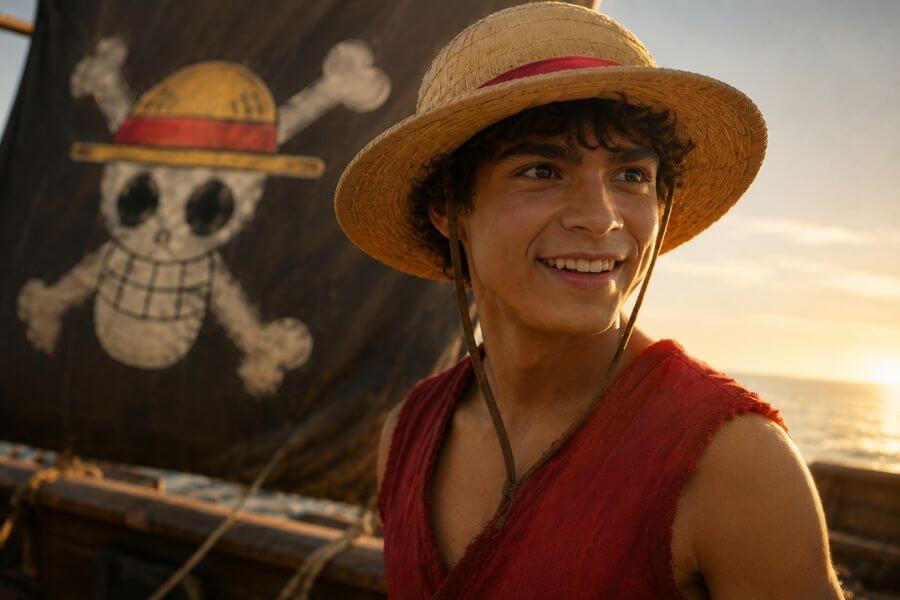
Luffy is the captain of the crew. He is an upbeat, intensely loyal teenager who ate the Gum-Gum Fruit, turning his entire body into rubber. He can stretch his limbs to strike enemies from afar, bounce bullets right back at attackers, and absorb massive physical impacts. He is not driven by wealth or power in the traditional sense. To Luffy, being the Pirate King simply means being the freest person on the entire ocean.
Roronoa Zoro
Zoro is the very first person to join Luffy. He is a fierce, stoic bounty hunter who fights using a unique three-sword style, holding his third blade right between his teeth. His dream is to become the greatest swordsman in the world, a promise he made to a childhood friend who passed away. He acts as the muscle and the unofficial first mate of the ship, always keeping the crew grounded when danger strikes.
Nami
Nami is the navigator of the ship, possessing an almost supernatural ability to read the weather and predict ocean currents. When you first meet her, she is a clever thief who specializes in robbing pirates. She has a deep hatred for criminals due to a dark secret involving her hometown. She is the brain of the ship, managing the money and making sure the crew does not sail directly into a deadly storm.
Usopp
Usopp is a chronic liar and a storyteller who dreams of becoming a brave warrior of the sea. He joins the crew as their primary sniper, using a slingshot with incredible precision. While he is easily terrified and often looks for any excuse to avoid a fight, his true courage shines through when his friends are in real danger. He brings a deep sense of humanity and humor to the deck.
Sanji
Sanji is a masterful cook who joins the crew to find the All Blue, a legendary ocean where fish from all over the world live together. He treats food with absolute reverence and refuses to use his hands in battle because a chef needs them to cook. Instead, he fights using an incredibly powerful, martial-arts kicking style. He is a passionate gentleman who refuses to ever hurt a woman, no matter the situation.
The Rogues Gallery of the East Blue
A hero is only as good as their villains, and the East Blue features some of the most memorable antagonists in anime history. These regional tyrants show just how dangerous the ocean can be.
Alvida
Alvida is the very first pirate captain Luffy encounters. She rules her crew through absolute fear and is obsessed with her own appearance. She wields a massive iron club that can crush iron shields, making her a terrifying threat to normal people, though her heavy physical strikes run into trouble against Luffy’s unique rubber body.
Buggy the Clown
Buggy is a flashy, theatrical captain who ate the Chop-Chop Fruit. This magical power allows him to split his body into multiple floating pieces, making him completely immune to sword slashes. He has a long history with the grander piracy world and values treasure above all else. He balances being a legitimate threat with being a hilarious comedic foil.
Captain Kuro
Kuro is a cold, calculating mastermind who faked his own death to live a quiet life of wealth. He uses a pair of gloves fitted with long, razor-sharp swords at the end of each finger. He is famous for his incredible speed, moving so fast that the human eye cannot track him, allowing him to slice through enemies before they even realize he has moved.
Don Krieg
Krieg is the self-proclaimed strongest man in the East Blue. He leads a massive fleet of ships and relies entirely on military weapons rather than mystical powers. He wears a heavy suit of steel armor packed with hidden machine guns, poison gas bombs, and explosive spears. He represents the brutal reality of pirate warfare, using dirty tactics to crush anyone in his way.
Arlong
Arlong is a massive fish-man who possesses incredible physical strength, sharp teeth that instantly grow back, and a nose like a jagged saw. He views humans as inferior creatures and rules over Nami’s home island with an iron fist, forcing the local citizens to pay a heavy tax just to stay alive. He is the ultimate obstacle of the East Blue Saga, testing Luffy’s strength and conviction to the absolute limit.
Comparing the Old and the New Animation
To really understand what Wit Studio is bringing to the table, it helps to look at how animation technology and storytelling choices have changed over the last twenty-five years. The original show is a beloved masterpiece, but the differences in production styles are night and day.
| Feature | The 1999 Original Series | The Modern Netflix Remake |
| Aspect Ratio | Standard square box format | Modern widescreen format |
| Color Style | Hand-painted cels with soft tones | Digital coloring with dynamic lighting |
| Story Pacing | Slow with regular filler stories | Fast and highly faithful to the book |
| Fight Scenes | Focused on static poses and speed lines | Fluid movement with dynamic cameras |
| Backgrounds | Simple painted watercolor boards | Deeply detailed, atmospheric world art |
The square box format of the old days means the environments often felt tight and constrained. The new widescreen format allows the artists to show the true scale of the ocean, the height of the island cliffs, and the chaotic nature of large battles. The use of modern digital lighting also means that scenes at sunset or deep inside dark caverns will have realistic shadows and glowing highlights that simply were not possible in the late nineties.
What Wit Studio Visuals Bring to the World
If you have ever watched the modern action scenes produced by Wit Studio, you know they love to use a three-dimensional sense of space. In a show like Attack on Titan, characters swing through trees and around buildings with a camera that flies right alongside them.
Apply that specific style to Luffy’s rubber powers. Instead of a simple flat shot of a hand stretching across the screen, the new series can feature a camera that tracks the fist as it twists around obstacles, flies past enemies, and snaps back with explosive force. Zoro’s sword fights can move away from static slashes and speed lines, transforming into complex, choreographed dances where you can feel the weight of every single steel impact.
The studio is also famous for its emotional character acting. The world of Eiichiro Oda is filled with extreme expressions, from massive crying faces to wide, joyful smiles. The animators are tasked with balancing their signature cinematic grit with the expressive, cartoony heart that makes the story so unique. Early concept art shows beautifully detailed landscapes with soft, organic textures that make the villages feel lived-in and real.
The Production Format and Seasonal Structure
The original series ran continuously without breaks for decades, which is why it ran into pacing problems. The new remake will adopt the modern seasonal television format. This means the show will be released in blocks of episodes, likely ranging from twelve to twenty-four episodes per season.
This structure gives the creative team a massive advantage. They can spend months perfecting the animation for a single block of episodes instead of rushing to finish a new episode every single week. It also means the story can be structured with a clear beginning, middle, and end for each season.
The East Blue Saga takes up roughly one hundred episodes in the original anime. With a streamlined pace that removes filler scenes and combines book chapters, the remake could easily fit this entire introductory adventure into a single, highly polished season. This makes it incredibly easy to watch, allowing you to experience a massive story arc without feeling like you are trapped in an endless loop of episodes.
Streamlining the Story: Cutting the Filler
One of the biggest benefits of this remake is the complete removal of filler content. Filler refers to stories created by an animation studio that were not in the original book, used simply to pass time while the author writes more chapters. While some old filler stories have nostalgic value, they often disrupt the emotional flow of the journey.
In the original series, characters would sometimes stop their urgent journey to help an island of random citizens solve a problem that has zero impact on the future. By cutting these segments out entirely, the narrative remains razor-sharp.
The focus stays entirely on the growth of the crew, their deepening friendships, and the main mysteries of the world. You will not have to check an online guide to figure out which episodes are skippable. Every single minute of the new show will matter to the overall plot, making the storytelling feel energetic and rewarding.
Audio, Voice Acting, and the Sound of Adventure
The sounds of the original series are deeply iconic. The voice actors have played these characters for over two decades, delivering performances that define who these pirates are. As of right now, the final casting choices for the remake remain under wraps, which creates an interesting crossroads for the production.
There is a strong possibility that a new generation of voice actors will step into these roles. Given that this project is designed to last for years and look completely fresh, casting younger actors allows the show to build a long-term foundation. It also allows for new creative interpretations of the classic dialogue.
The music will also receive a massive upgrade. The original score relies heavily on classic orchestral tracks and nostalgic brass melodies. A modern remake allows for a cinematic audio experience, utilizing deep surround sound, rich ambient noises for the ocean environments, and new musical themes that can heighten the emotional stakes of every single battle.
How the Live-Action Success Fueled this Project
It is impossible to talk about this new project without acknowledging the massive success of the live-action Netflix adaptation that launched recently. For years, western live-action adaptations of anime were looked at with extreme skepticism. But the live-action take broke the curse, winning over millions of viewers who had never interacted with the story before.
That live-action show acted as a perfect entry point. It proved that the themes of friendship, ambition, and freedom are completely universal. However, many viewers who finished that live-action season wanted to see what came next, only to run face-first into the wall of over a thousand old animated episodes.
The remake acts as the perfect bridge. Netflix realized they had a massive audience of new fans who loved the story but wanted a modern viewing experience. The One Piece gives those exact viewers a way to experience the pure, animated magic of the source material without dealing with the technical limitations of late-nineties television.
What Longtime Fans Can Look Forward To
If you are already a hardcore fan who knows every single plot point by heart, you might wonder if this show is actually for you. The answer is a definitive yes. This remake offers a rare opportunity to experience the foundational moments of your favorite story with the scale and visual beauty they always deserved.
When the original East Blue episodes were made, the author was still figuring out the long-term rules of his world. Certain visual elements and character powers were drawn very simply because no one knew the show would run for twenty-five years.
With the entire story mapped out, Wit Studio can add subtle visual nods, foreshadowing elements, and consistency to the world design that simply was not possible the first time around. You get to see the moments that made you fall in love with the series reimagined as a modern cinematic masterpiece.
What Newcomers Need to Know Before Watching
If you are a completely fresh viewer stepping onto this ship for the very first time, you do not need to do any homework. You do not need to read the books, watch the old show, or look up character bios. The remake is designed to be your very first step into the world.
The most important thing to understand is that the world is intentionally whimsical and strange. You will see islands in the sky, strange sea monsters, and characters with bizarre body shapes. Do not let the colorful exterior fool you. Beneath the fun, pirate aesthetic lies a deeply mature story about systemic oppression, corrupt governments, personal loss, and the sacrifices required to achieve true freedom. It is a story that will make you laugh out loud in one scene and leave you fighting back tears in the next.
Behind the Scenes: The Art and World Design
The creative team has shared early concept art that gives us a clear window into their artistic vision. The backgrounds are moving away from the harsh, cold digital lines seen in many modern animated shows. Instead, they are utilizing a softer, textured look that feels like a classic storybook brought to life.
The world design focuses heavily on the natural elements. The water is not just a flat blue sheet; it has weight, shifting transparency, and dynamic foam that reacts to the hulls of the ships. The islands of the East Blue, from the peaceful windmills of Luffy’s home town to the grand marine bases made of solid stone, feel like real places with historical weight. This attention to detail ensures that the setting feels just as alive as the characters walking through it.
The Global Impact of the Straw Hat Phenomenon
The story of Luffy is a massive cultural force. It holds world records for book sales, has built multi-million dollar theme park attractions, and features merchandise in almost every country on Earth. This new project represents a massive bet by Netflix to solidify the franchise as a permanent pillar of modern global entertainment.
By making the story accessible to a wider audience, they are ensuring that the adventures of the Straw Hat crew will continue to influence pop culture for another generation. It opens the door for families to watch the story together, for old fans to introduce it to their friends, and for the community to grow larger than ever before.
Frequently Asked Questions
Is the original anime series cancelled because of this remake?
The original animated series produced by Toei Animation is not being cancelled or replaced. It will continue to air its weekly episodes, adapting the very latest chapters of the ongoing comic book. The remake is a completely separate project running along its own path, designed to offer an alternative, modern viewing experience focused on the early parts of the story.
Will the remake cover the entire story or just the East Blue?
The initial announcement specifically highlights the East Blue Saga as the core focus of the project. Whether the show continues past this point depends entirely on its global viewership numbers and production schedules. Given the massive investment from Netflix and the long-term popularity of the world, the goal is to build a foundation that can eventually adapt later story sagas if the first season is a hit.
How many episodes will the new series have?
The exact episode count has not been officially locked in for the public yet. Because the show uses a modern seasonal structure, it will be significantly shorter than the original run through the East Blue. It is highly likely to be formatted into a tight block of standard seasonal television episodes, focusing on high production value over a massive quantity of episodes.
Will the original music track We Are be used in the remake?
There is no official word on whether the iconic original theme song will return for the new opening sequence. While the studio will likely create an entirely new musical identity for the series, anime remakes often include modern remixes or subtle orchestral nods to classic theme songs to honor the history of the franchise and delight older fans.
When will the remake finally release on Netflix?
An exact, definitive calendar release date has not been locked down yet by the streaming platform. Animation of this incredibly high caliber takes a massive amount of time to produce, especially with a studio as meticulous as Wit Studio. Production is actively moving forward, and updates regarding trailers and release windows are expected to roll out as the animation team finishes major production blocks.