Creating a more sustainable kitchen does not have to be difficult or expensive. In fact, a few simple product swaps can significantly reduce the amount of waste your household produces every day. From replacing single-use plastics to choosing reusable alternatives, eco-friendly kitchen products help you save money, reduce rubbish, and lower your environmental impact over time.
If you are looking for practical ways to make your kitchen greener, this guide will help you discover some of the best products available today. These items are easy to use, long-lasting, and suitable for households of all sizes. Whether you are just beginning your sustainability journey or already living a low-waste lifestyle, these products can help you make a positive difference.
Quick Summary Table 📋
| Rank | Product | Main Benefit | Best For |
|---|---|---|---|
| 1 | Reusable Silicone Food Bags | Replaces disposable plastic bags | Food storage |
| 2 | Beeswax Food Wraps | Replaces cling film | Wrapping food |
| 3 | Compost Bin | Reduces food waste | Kitchen scraps |
| 4 | Reusable Produce Bags | Cuts plastic bag usage | Grocery shopping |
| 5 | Bamboo Dish Brushes | Plastic-free cleaning | Washing dishes |
| 6 | Stainless Steel Water Bottles | Reduces single-use bottles | Daily hydration |
| 7 | Reusable Paper Towels | Replaces disposable rolls | Kitchen cleaning |
| 8 | Glass Food Storage Containers | Long-lasting storage solution | Meal prep |
| 9 | Refillable Soap Dispensers | Reduces plastic packaging | Kitchen sinks |
| 10 | Countertop Herb Growers | Encourages home-grown ingredients | Fresh cooking |
How We Ranked These Products 🔍
We evaluated each eco-friendly kitchen product using several important factors:
- Waste reduction potential
- Durability and lifespan
- Ease of daily use
- Cost-effectiveness over time
- Material sustainability
- Reusability
- Maintenance requirements
- Environmental impact during use
- Popularity among eco-conscious households
- Overall value for money
1. Reusable Silicone Food Bags 🥇
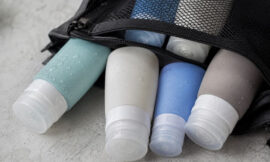
Reusable silicone food bags are one of the easiest and most effective swaps you can make in your kitchen. Traditional plastic sandwich bags are often used once and then thrown away, creating a large amount of unnecessary waste throughout the year.
Silicone food bags are designed to be washed and reused hundreds or even thousands of times. They can store leftovers, sandwiches, snacks, fruit, vegetables, and even liquids. Many options are freezer-safe, microwave-safe, and dishwasher-safe.
One of the biggest advantages is their versatility. Instead of purchasing different disposable bags for different purposes, you can rely on a small collection of reusable silicone bags for most storage needs.
If your goal is to reduce plastic waste quickly, this product deserves a place at the top of your shopping list.
2. Beeswax Food Wraps 🍯
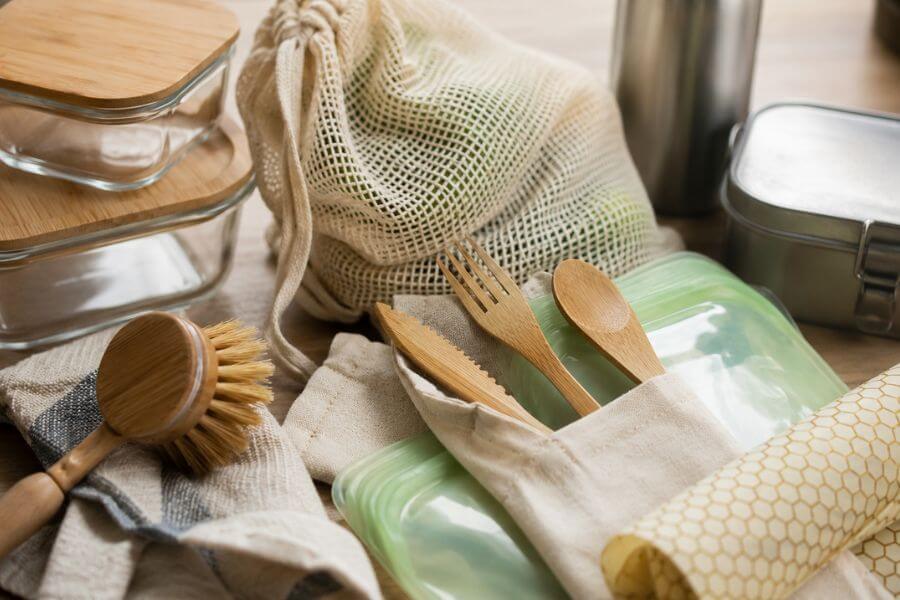
Beeswax wraps have become a favourite among environmentally conscious households. They offer a natural alternative to plastic cling film, which is often difficult to recycle and usually ends up in landfill.
These wraps are made from cotton coated with beeswax, natural oils, and tree resin. The warmth of your hands helps them mould around bowls, sandwiches, cheese, fruit, and vegetables.
Besides reducing waste, beeswax wraps add a pleasant, natural look to your kitchen. They can be reused for many months with proper care and only require gentle washing with cool water.
For households that frequently use cling film, switching to beeswax wraps can significantly reduce plastic consumption throughout the year.
3. Compost Bin 🍃
Food waste is one of the biggest contributors to household rubbish. A compost bin helps transform food scraps into nutrient-rich compost instead of sending them to a landfill.
Kitchen compost bins are available in compact sizes that fit neatly on worktops or under sinks. They are ideal for collecting fruit peels, vegetable scraps, coffee grounds, eggshells, and other compostable materials.
By composting, you help reduce methane emissions generated by food waste in landfill sites. If you have a garden, the resulting compost can improve soil quality and support healthier plant growth.
Even if you live in a flat, many local councils and community composting programmes now accept food waste collections.
4. Reusable Produce Bags 🥕
Plastic produce bags are often used for only a few minutes before being discarded. Reusable produce bags provide a simple alternative that can eliminate hundreds of disposable bags each year.
These lightweight bags are usually made from organic cotton, recycled materials, or durable mesh fabrics. They are perfect for carrying fruit, vegetables, nuts, grains, and baked goods.
Many shoppers keep a few folded bags inside larger shopping bags so they are always available when needed.
Although they may seem like a small change, reusable produce bags create a noticeable reduction in daily plastic waste.
5. Bamboo Dish Brushes 🧽
Most dish brushes are made primarily from plastic and eventually end up in a landfill. Bamboo dish brushes offer a more sustainable solution while providing excellent cleaning performance.
Bamboo is one of the fastest-growing renewable resources in the world. It requires fewer resources to grow than many traditional materials and can be harvested repeatedly.
Many bamboo dish brushes feature replaceable heads, allowing you to keep the handle and replace only the worn section. This further reduces waste and extends the product’s lifespan.
For anyone looking to create a plastic-free cleaning routine, bamboo dish brushes are an excellent choice.
6. Stainless Steel Water Bottles 💧
Single-use plastic bottles contribute significantly to global waste problems. A high-quality stainless steel water bottle can replace hundreds of disposable bottles every year.
These bottles are durable, easy to clean, and designed for long-term use. Many feature double-wall insulation that keeps drinks cold or hot for extended periods.
Using a refillable bottle not only reduces waste but also saves money over time. Instead of constantly purchasing bottled drinks, you can simply refill your bottle at home or at public refill stations.
This is one of the simplest sustainable habits you can adopt.
7. Reusable Paper Towels 🧹
Disposable kitchen roll is convenient but generates ongoing waste and expense. Reusable paper towels provide a more environmentally friendly alternative.
Typically made from cotton, bamboo fibres, or cellulose materials, these towels can be washed and reused many times before needing replacement.
They work well for wiping surfaces, cleaning spills, drying produce, and everyday kitchen tasks. Some households find that a small collection of reusable towels completely replaces disposable kitchen roll.
The long lifespan and reduced waste make them a smart investment for eco-conscious families.
8. Glass Food Storage Containers 🥗
Glass food storage containers are a durable and sustainable alternative to disposable containers and low-quality plastic tubs.
Unlike plastic, glass does not absorb stains, smells, or flavours. It is also highly durable and often safe for ovens, microwaves, freezers, and dishwashers.
Glass containers are particularly useful for meal preparation and leftover storage. Because they are transparent, you can easily see what is inside without opening them.
Although they may cost more initially, their longevity often makes them more economical over time.
9. Refillable Soap Dispensers 🧴
Many households throw away numerous plastic soap bottles every year. Refillable soap dispensers help reduce this waste significantly.
Instead of purchasing new plastic bottles repeatedly, you simply refill the dispenser using larger refill packs or concentrated soap solutions.
Refillable dispensers are available in glass, stainless steel, ceramic, and other durable materials that complement modern kitchen designs.
This simple change reduces packaging waste while creating a cleaner and more organised appearance around the sink.
10. Countertop Herb Growers 🌿
Growing herbs at home reduces packaging waste associated with shop-bought herbs and encourages fresher cooking.
Countertop herb growers are designed to fit comfortably in kitchens, making it easy to grow basil, parsley, coriander, mint, chives, and other herbs throughout the year.
Many modern systems include self-watering features and built-in lighting, making them suitable even for people with limited gardening experience.
Beyond reducing waste, home-grown herbs can improve the flavour of your meals and reduce grocery costs over time.
Conclusion ♻️
Reducing kitchen waste does not require a complete lifestyle overhaul. Small, practical changes often have the biggest long-term impact. By replacing disposable products with reusable alternatives, you can reduce rubbish, save money, and create a more sustainable household.
The best eco-friendly kitchen products are those that fit naturally into your daily routine. Whether you start with reusable food bags, beeswax wraps, or a compost bin, every sustainable choice helps reduce waste and support a healthier environment.
Choose a few products that match your lifestyle and build your eco-friendly kitchen one step at a time.
Frequently Asked Questions ❓
Are eco-friendly kitchen products more expensive?
Many sustainable products have a higher upfront cost, but they often save money over time because they last much longer than disposable alternatives.
How long do reusable kitchen products typically last?
The lifespan varies by product, but many reusable items, such as glass containers, stainless steel bottles, and silicone bags, can last for several years with proper care.
Can eco-friendly kitchen products be recycled?
Many can be recycled depending on the materials used. Glass, stainless steel, and certain natural materials often have recycling options available through local programmes.
What is the easiest eco-friendly swap for beginners?
Reusable silicone food bags and refillable water bottles are among the easiest changes because they require very little adjustment to daily habits.
Do sustainable kitchen products require special cleaning?
Most do not. Many are dishwasher-safe, while others simply require gentle hand washing according to the manufacturer’s instructions.